
Lent fasting is more than just a religious practice—it’s an opportunity to cleanse the body, strengthen discipline, and improve overall health. By making mindful food choices, you can lose weight, boost energy levels, and enhance your metabolism while staying true to your spiritual commitment.
In this guide, you’ll learn how to fast properly, maintain balanced nutrition, and avoid common pitfalls during Lent fasting.

Benefits of Fasting During Lent
Fasting has several scientifically proven health benefits, including:
– Promotes Autophagy and Longevity
Fasting triggers autophagy, a natural process where the body regenerates and repairs cells, eliminating damaged components.
– Boosts Fat Burning and Weight Loss
When you fast, your body depletes glycogen stores and starts using fat as fuel, leading to sustainable weight loss.
– Enhances Mental Clarity
Fasting regulates neurotransmitters, reducing brain fog and improving cognitive function.
– Regulates Blood Sugar and Prevents Insulin Resistance
Lent fasting can improve insulin sensitivity, reducing the risk of type 2 diabetes.
– Reduces Inflammation and Promotes Healing
Fasting lowers oxidative stress and inflammation, which are linked to chronic diseases.
Over the past 12 years, I’ve witnessed the Batrouni community undergo a remarkable transformation. Today, as I walk through its charming streets, I see a town buzzing with conversations about high-protein diets, keto plans, gluten-free and lactose-free options, low FODMAP foods, workout routines, and healthy habits. Local shops have adapted, stocking wholesome ingredients to meet the growing demand from a health-conscious community.
1. How to Fast During Lent: What to Eat, How Much, and How Often
What to Eat During Lent?
Lent fasting doesn’t mean starving—it means eating strategically to nourish your body while losing weight. Follow these key principles:
Avoid processed foods high in refined sugars, white flour, and seed oils.
Choose balanced meals rich in healthy fats, plant-based proteins, and fiber to stabilize blood sugar.
Lent meals often lack sufficient protein, leading to cravings. Include vegan and vegetarian meals from Nutritas Boutique to maintain muscle mass.
For snacks, opt for fruits, nuts, dried fruits, keto vegan snacks, or raw energy balls, available in our boutique.
How Much to Eat?
Portion control is essential to avoid overeating and weight gain.
Lent meals are often high in carbohydrates, so monitor net carb intake to prevent insulin spikes.
Avoid mixing too many types of dishes in one meal to support better digestion.
How Many Meals Per Day?
Stick to 2-3 small balanced meals or 2 moderate meals with a light snack in between.
Do not overeat after fasting for 12-16 hours, as this can lead to weight gain.
Avoid high-sugar meals and frequent snacking, which can spike insulin and hinder fat loss.

2. How to Get Enough Protein from Plant-Based Sources
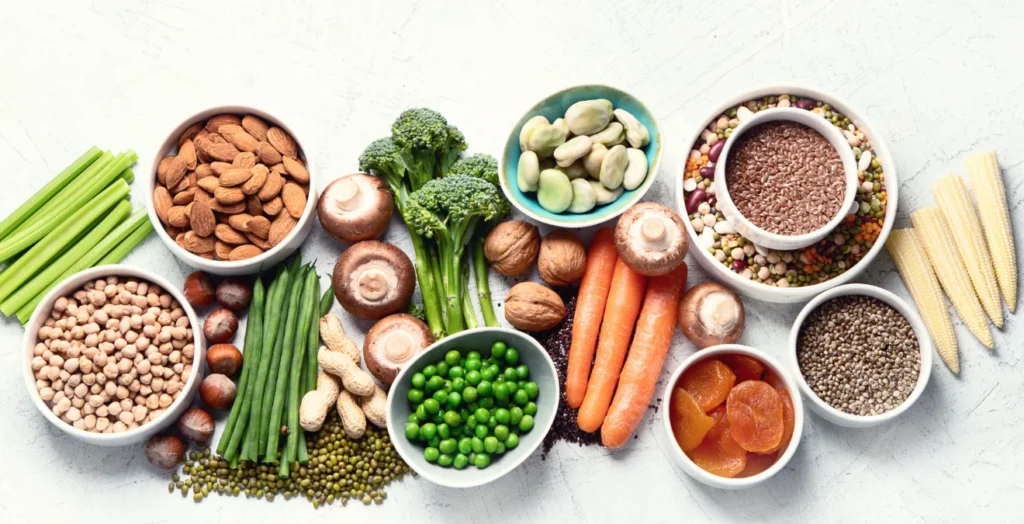
Since many people give up meat during Lent, ensuring adequate protein intake is crucial. Great plant-based protein sources include:
– Legumes: Lentils, chickpeas, beans
– Whole Grains: Quinoa, freekeh, brown rice
– Nuts & Seeds: Almonds, walnuts, sunflower seeds, chia seeds
– Soy-Based Foods: Tofu, tempeh
3. How to Boost Iron Absorption During Lent
Iron is essential for energy production and oxygen transport. However, plant-based iron (non-heme iron) has lower bioavailability.
How to Improve Iron Absorption:
– Eat iron-rich foods: Lentils, chickpeas, soybeans, spinach, quinoa, oats, nuts, and seeds
– Pair with Vitamin C: Citrus fruits, bell peppers, strawberries
– Avoid tea or coffee with meals, as they reduce iron absorption
4. How to Meet Vitamin B12 Needs
Vitamin B12 is primarily found in
animal products, so those fasting may need alternatives:
– Fortified plant-based milks (e.g., almond, soy)
– Nutritional yeast (check for B12 fortification)
– Fortified cereals
– B12 supplements (consult a healthcare professional)
5. How to Prevent Nutritional Deficiencies During Lent
Before starting Lent fasting, consider a blood test to check for deficiencies. Focus on:
– Calcium: Almonds, tahini, leafy greens, plant-based milks
– Zinc: Legumes, seeds, nuts, whole grains
– Omega-3s: Chia seeds, flaxseeds, walnuts, algal oil
– Vitamin D: Sun exposure, fortified foods
6. Example Lent Meal Plan for Balanced Nutrition
Breakfast: Lentil soup (عدس بحامض) with pumpkin kebbé
Snack: Keto vegan, gluten-free snack (almond flour, erythritol/monk fruit
Lunch/Dinner: Buckwheat bread with hummus bi tahini
Evening Snack: Chia coconut pudding with fruits and nuts

7. Best Workouts During Lent for Fat Loss
Staying active while fasting prevents muscle loss and supports metabolism. Recommended exercises:
– Walking: boosts digestion and fat burning
– Yoga: improves flexibility and stress relief
– Strength Training: maintains muscle mass
– Aim for at least 30 minutes of movement daily to stay energized.
8. Hydration Tips for Better Digestion
Fasting requires proper hydration to prevent fatigue and bloating.
– Drink 2-3 liters of water daily
– Herbal teas (ginger, peppermint) aid digestion
– Start your first meal with warm lemon water to boost metabolism
– Limit caffeine and carbonated drinks, which cause bloating

9. Managing FODMAP Sensitivity During Lent
Lent meals can be high in FODMAPs, leading to bloating and discomfort.
Tips for Better Digestion:
– Eat slowly and chew food well
– Choose low-FODMAP foods like zucchini, carrots, rice
– Drink ginger or peppermint tea
Final Thoughts: Fasting for Weight Loss & Spiritual Growth
Fasting during Lent should be a time of spiritual reflection, not deprivation or binge eating. By focusing on nutrient-dense foods, portion control, and hydration, you can:
– Maintain energy levels
– Lose weight naturally
– Support overall health
At Nutritas, we offer healthy, ready-to-eat plant-based meals and snacks to help you stay nourished and energized throughout Lent.
– Explore our Lent-friendly options at Nutritas Boutique: www.nutritas.co
– Book a Nutrition Consultation for Personalized Meal Planning! WhatsApp 71 760 160